



L-Lysine Sulfate 70%
Description:
- An essential amino acid, widely used in agriculture as an animal feed additive. Lysine plays a key role in protein synthesis, being involved in the formation of structural proteins, enzymes, and other important molecules in the body. It is crucial during periods of intensive growth and development in animals. L-Lysine Sulfate 70% is safe for pigs and poultry, and its use contributes to improved animal health and productivity without the risk of toxic or allergic reactions.
Storage conditions:
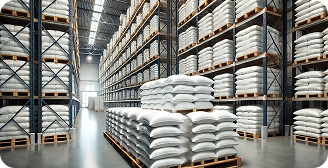
Store in a cool, dry place at a temperature from 5 °C to 25 °C, protected from moisture and direct sunlight.
Shelf life:
24 months from the date of production
Packaging:
- Bags 25 kg
- Big bags 1,000 kg
Recommended application rate:

Poultry (broiler chickens):
Starter phase (0–3 weeks): 1.1–1.3% lysine in the diet
Growth phase (3–6 weeks): 0.9–1.1%
Finisher phase: 0.8–1.0%

Pigs
Piglets (up to 25 kg): about 1.0–1.2% of total feed content
Fattening pigs (25–110 kg): 0.8–1.0% lysine content
Sows: approximately 0.9–1.0%
The recommended dosage should follow the feeding ration, taking into account the lysine content.
Specifications:
- L-lysine content in terms of dry matter not less than 55%
- Ammonium salt (as NH4+) not more than 1%
- pH level 3–6
- Crude ash content in terms of dry matter not more than 4%
- Solubility readily soluble in water and diluted acids, partially soluble in alkaline solutions
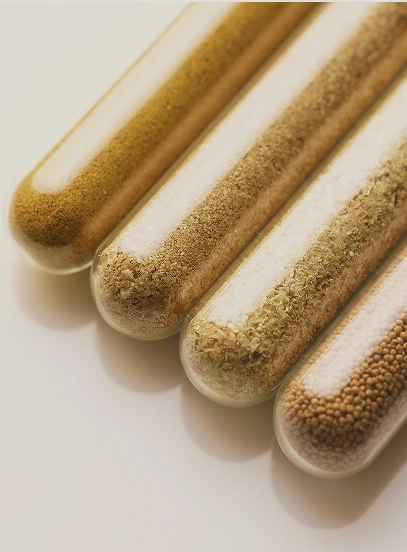
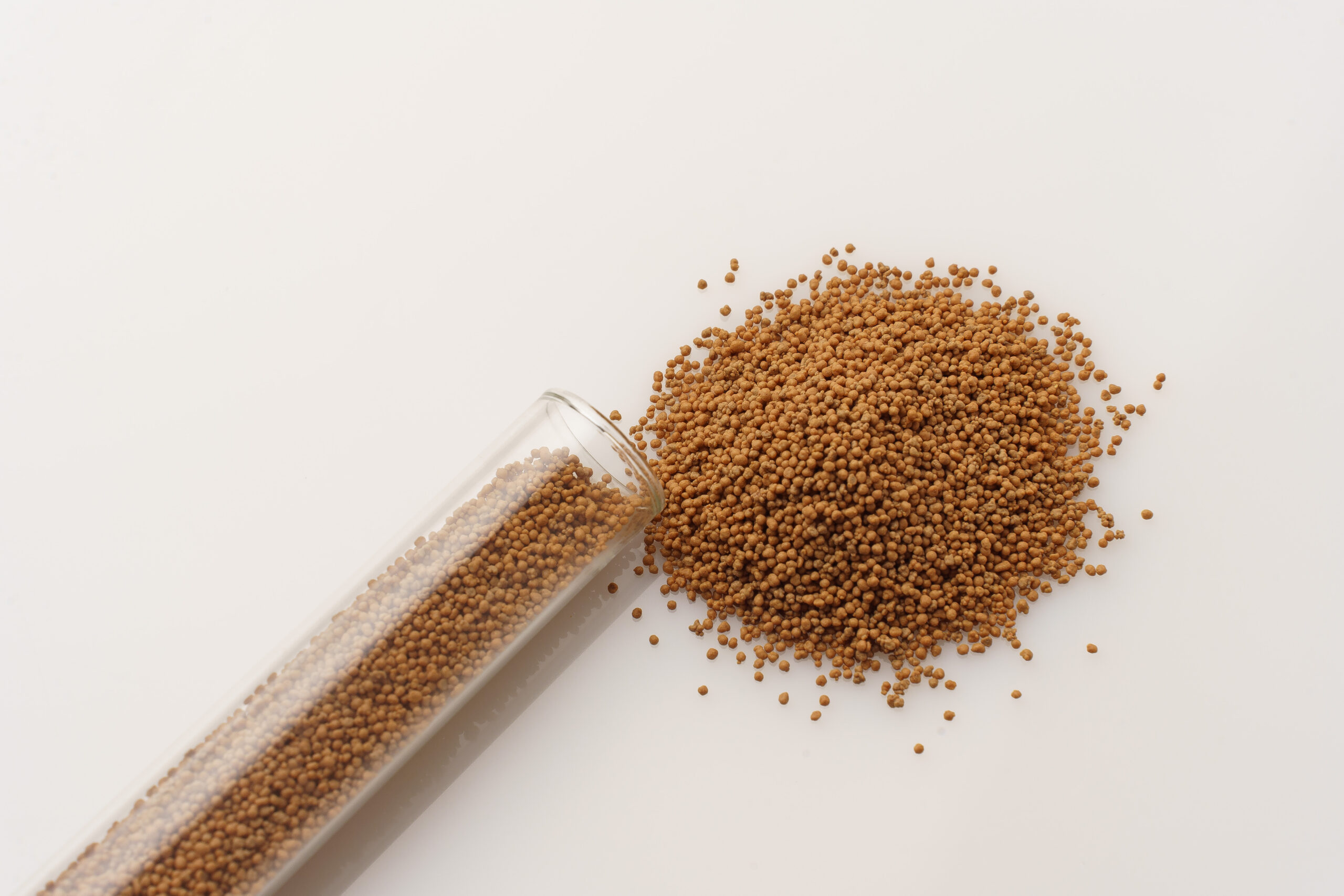
- Appearance granules sized from 1.6 mm to 2 mm
- Color from light beige to brown
Functions:
- Weight gain in livestock and poultry by 9–25%
- Increase in egg production of hens by 8–10%
- Bone strengthening due to improved absorption of calcium and phosphorus
- Improved metabolism and stimulation of erythrocyte production for optimal oxygen exchange
- Improved feed conversion and overall animal health
Usage advantages:
- Cost efficiencymore affordable than pure lysine monohydrate by 20–40%
- High effectivenessensures stable animal growth: weight gain in livestock and poultry by 9–25%, increase in egg production by 8–10%
- Multifunctionalitypositively affects digestion due to residual fermentation products (organic acids, bioactive compounds)
- Stabilityhigh resistance during storage and transportation
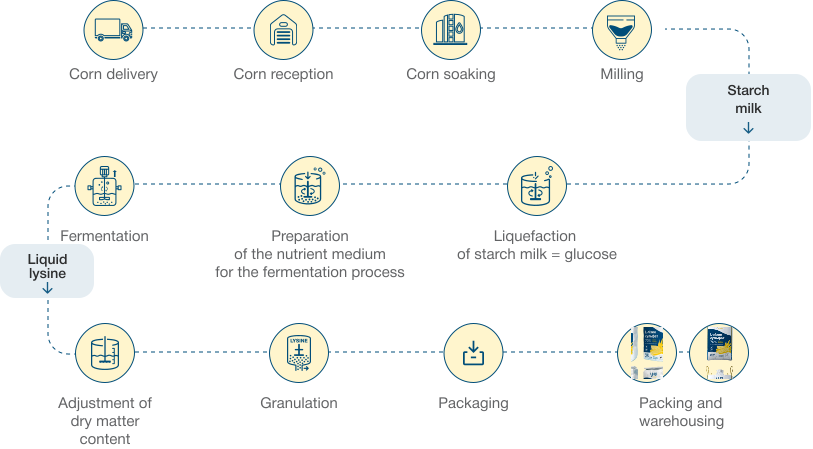
- Safetylow toxicity and minimal allergy risk confirmed by studies. Environmentally friendly production with safe waste disposal and strict quality control ensure product purity and production stability.