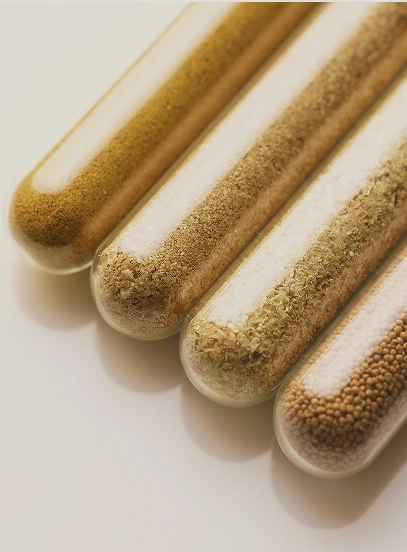

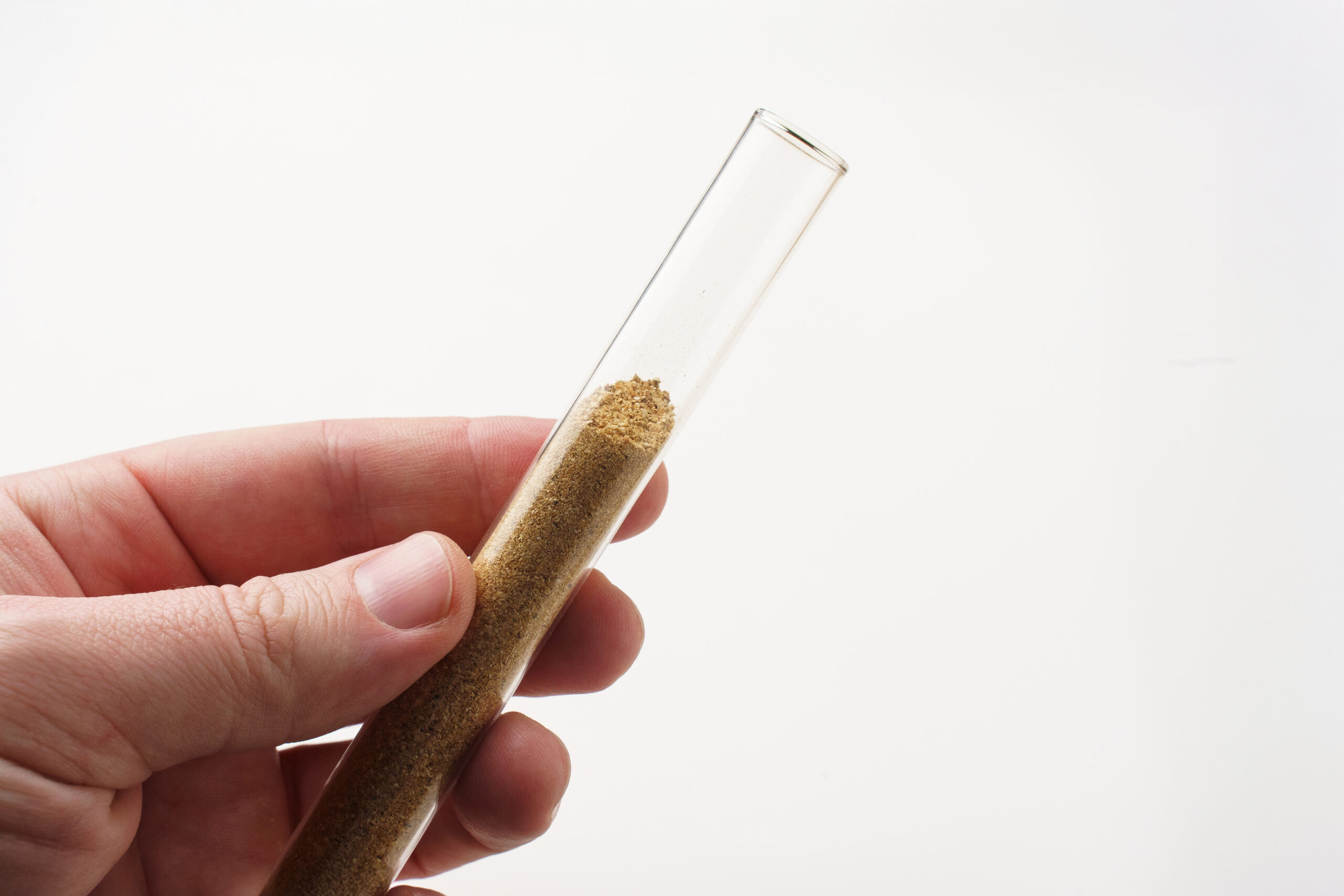
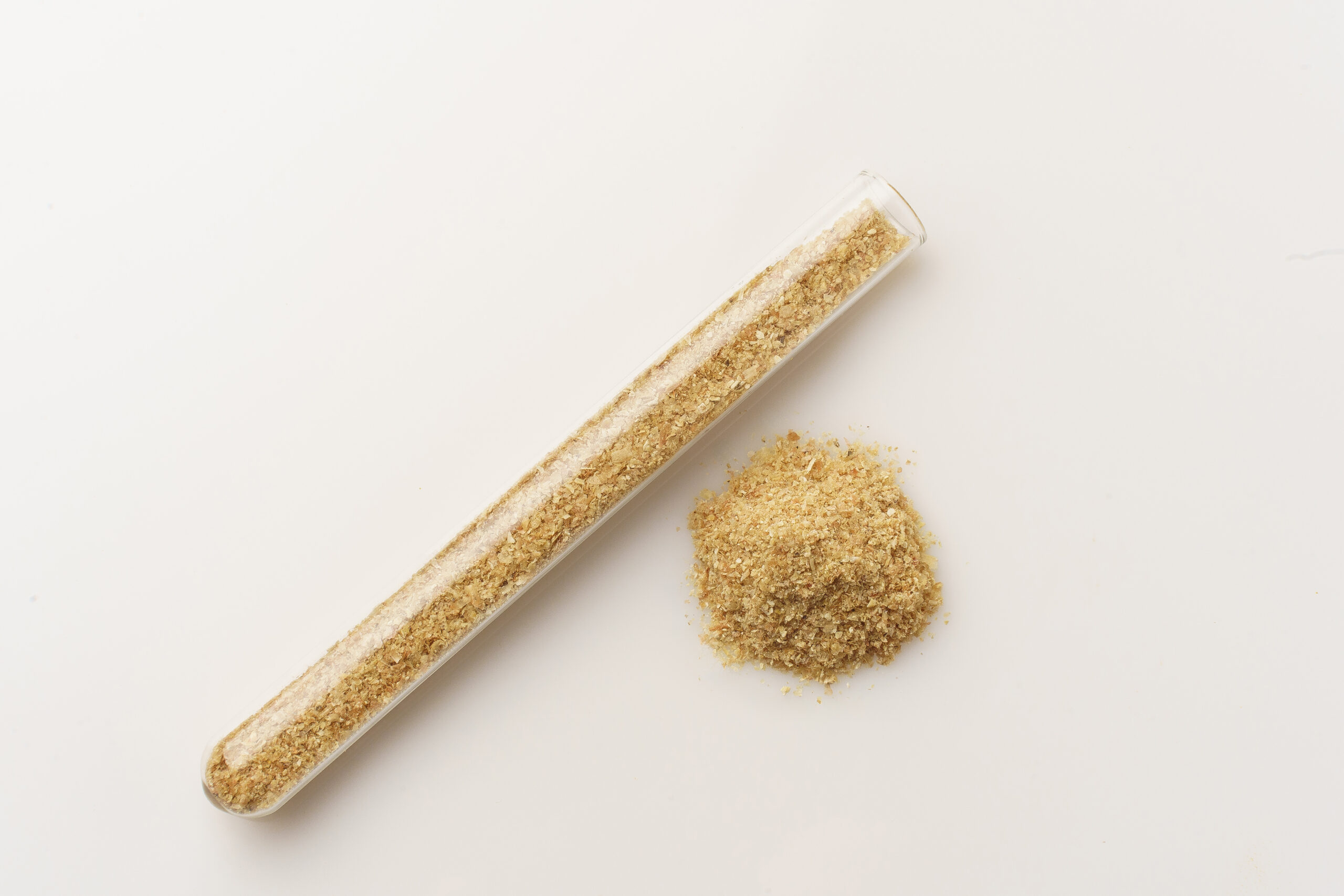
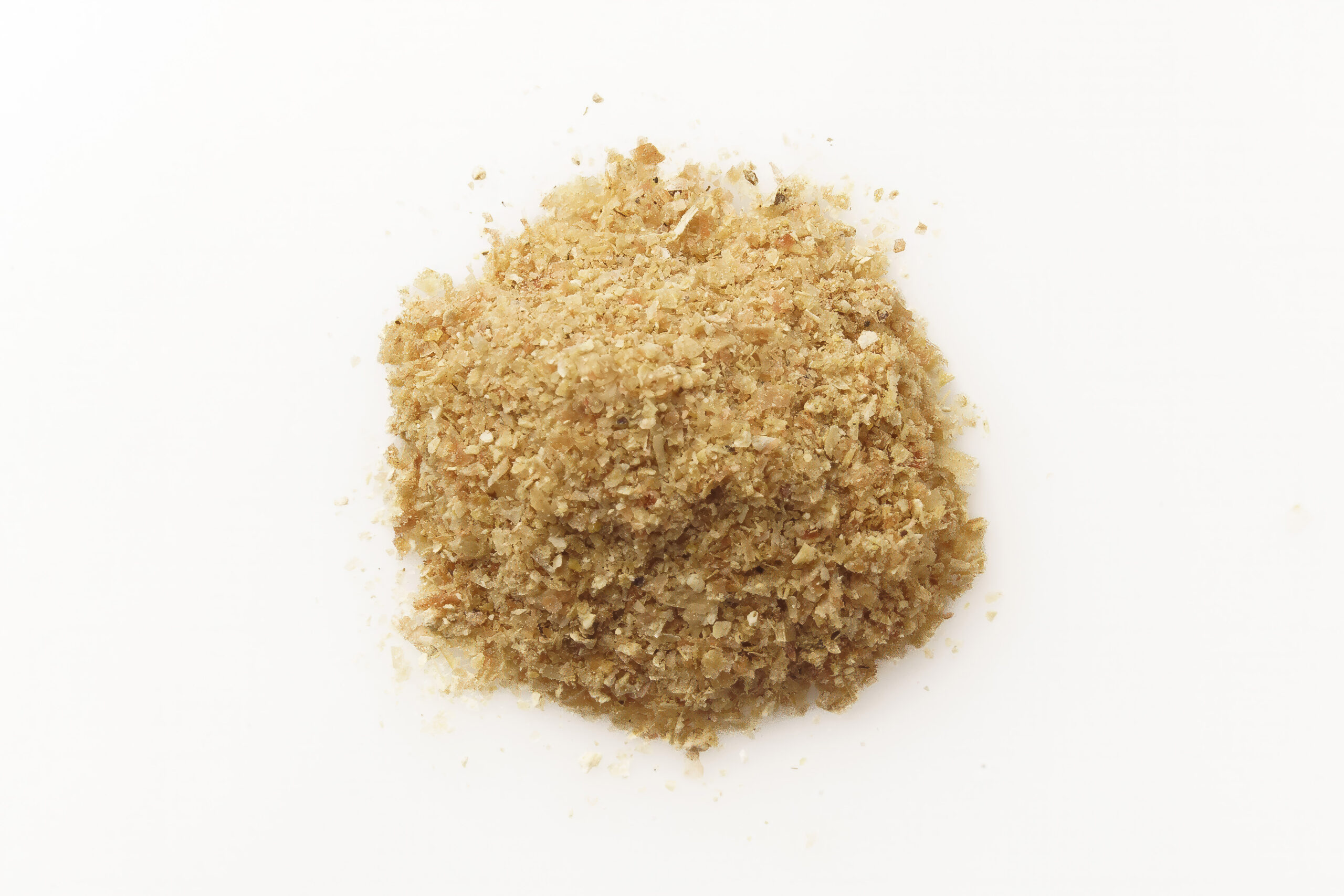
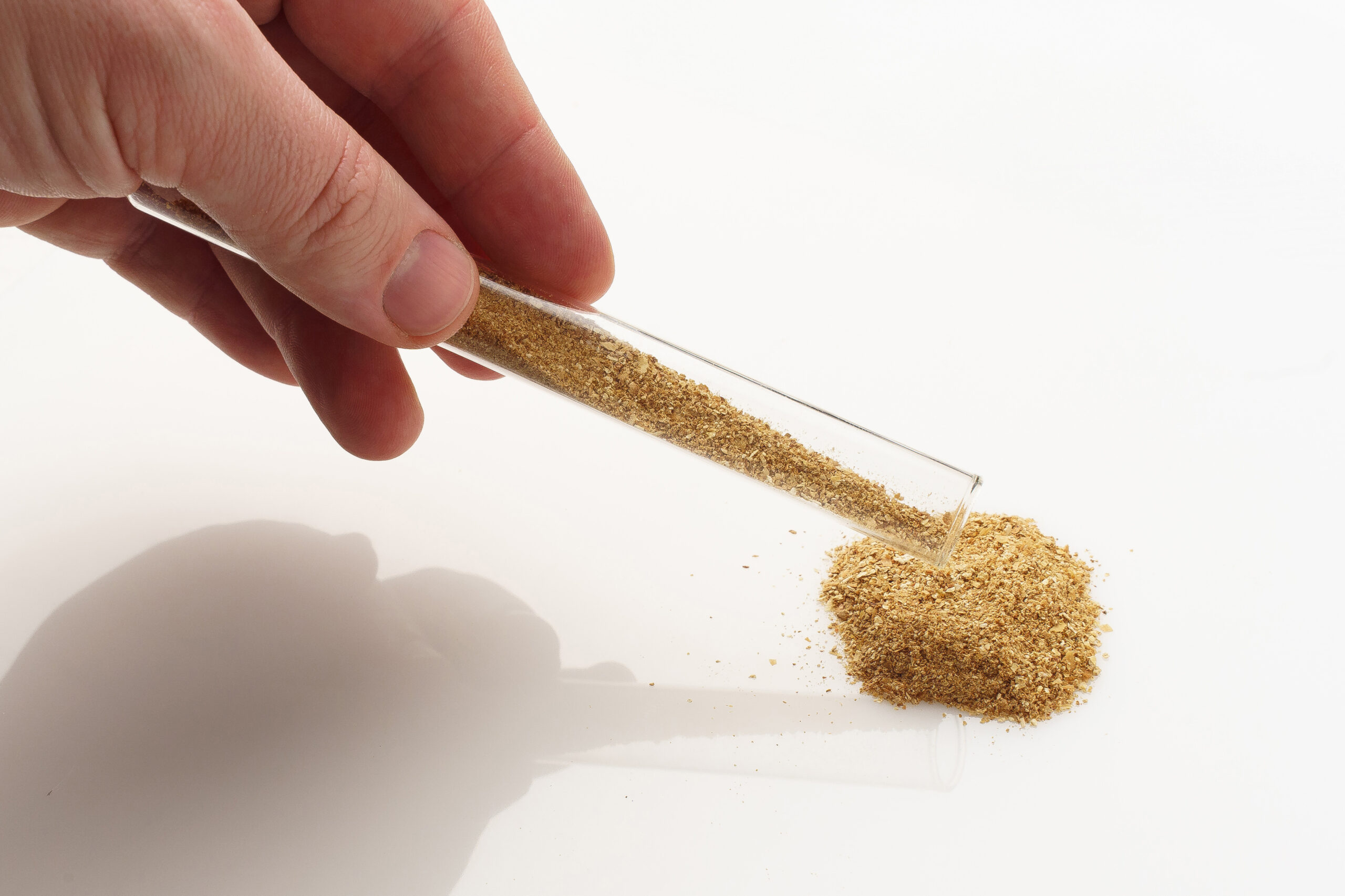
Corn germ
Description:
- Rich in nutrients, protein, fat, and antioxidants. Widely used in the food and feed industries.
Storage conditions:
Store in a cool, dry place at a temperature from 5 °C to 25 °C, protected from moisture and direct sunlight.

Shelf life:
6 months from the date of production
Packaging:
- Big bag 1,000 kg

In the production of edible oil

In the production of animal feed

In industry for the manufacture of biodiesel and lubricants

In cosmetology, as skincare products
Specifications:
- Appearance homogeneous, without foreign impurities, lumps, or other changes that may affect product quality or safety
- Odor characteristic of corn germ, fresh, without foreign or unpleasant aromas
- Color from yellow to gray-yellow or light brown
- Contains a mixture of vitamins and minerals 1–2%
- Crude fat content 30–45%
- Protein content 15–20%
- Carbohydrates mainly non-starch polysaccharides and sugars ~12.5%
- Crude fiber content not more than 10%
- High content of phosphorus, magnesium, and zinc ~0.8–1.2%
- Phytogenic compounds phytosterols and ferulic acid 1–3%
Functions:
- Source of energyhigh content of fats, carbohydrates, and proteins, as well as various biologically active components (vitamins and minerals)
- Improved animal dietprovides proteins, fats, and vitamins essential for growth and development
- Health support – contains antioxidants and vitamin E, which strengthen the immune system, improve digestion, and enhance overall health
- Increased productivityboosts milk yield and animal weight gain
- Cost efficiencyaffordable and advantageous alternative to other feed additives, such as soybean meal, sunflower meal, or wheat bran
Usage advantages:
- High content of unsaturated fats and phytosterols, which help reduce cholesterol levels
- Antioxidant properties protect cells from oxidative stress
- Moisturizing and protective properties – corn germ is often used in skincare cosmetic products
- Price – the cost per ton of corn germ is 20–30% lower than that of high-quality soybean meal